
We help our clients discern, decide, and deliver.
Developing strategies that are grounded in truth, feel alive, and can be made real.

Grounding in Truth
-
Revealing hidden influences, separating truth from ideology, distinguishing what’s enduring from what’s noise
-
Gaming out strategic hypothesis, structuring options and opportunities, developing a North Star vision
-
Triangulating unmet needs and aspirations, emerging audiences, and capabilities to open innovation pathways

Unlocking Inspiration
-
Scenario mapping, provocations and wild cards, multi-level consequence stress testing, and design fiction
-
Collaborative sessions, co-creation, ideation and prioritization workshops, and human ecologies exhibition
-
Place-making, ethnographic immersion, stakeholder immersions, guided sensory walks, and human ecology experiences

Making it Real
-
Criteria, do’s and don’ts, design playbooks, and assessment tools
-
Boundary concepts, provocations, concept ideation, diegetic artifacts, and experience design
-
Lo-fi mock-ups and testable prototypes, works-like models, experience prototyping and feedback sessions
[examples of questions answered]
How do people understand AI integration in health care services?
::
What do changes in rural America imply for our portfolio?
::
How do we design voice assistance copilots that reflect how people actually think, not science-fiction?
::
How can leadership credibly communicate tech and AI leadership without falling into hype or ideology?
::
How do I unlock my teams' latent creativity?
::
How do we get our leadership stakeholders to align with, and feel with, our customer?
::
What does innovation in eye-care look like?
::
How do people understand AI integration in health care services? :: What do changes in rural America imply for our portfolio? :: How do we design voice assistance copilots that reflect how people actually think, not science-fiction? :: How can leadership credibly communicate tech and AI leadership without falling into hype or ideology? :: How do I unlock my teams' latent creativity? :: How do we get our leadership stakeholders to align with, and feel with, our customer? :: What does innovation in eye-care look like? ::








Typical Engagements
Interpret Emerging Technology
Helping organizations understand how people will interpret new technologies such as AI systems, automation, or novel interfaces.
Deliverables include:
cognitive model mapping
adoption barriers and trust dynamics
product design criteria

Product Design & Positioning
Clarifying what a product means in people’s lives so teams can design and communicate it coherently.
Deliverables include:
product narrative architecture
feature prioritization frameworks
experience design principles
Design concepts and prototypes

Innovation Strategy & Roadmapping
Helping teams identify where emerging cultural and technological shifts create new opportunities.
Deliverables include:
opportunity landscapes
concept portfolios
innovation roadmaps
Featured Case Study
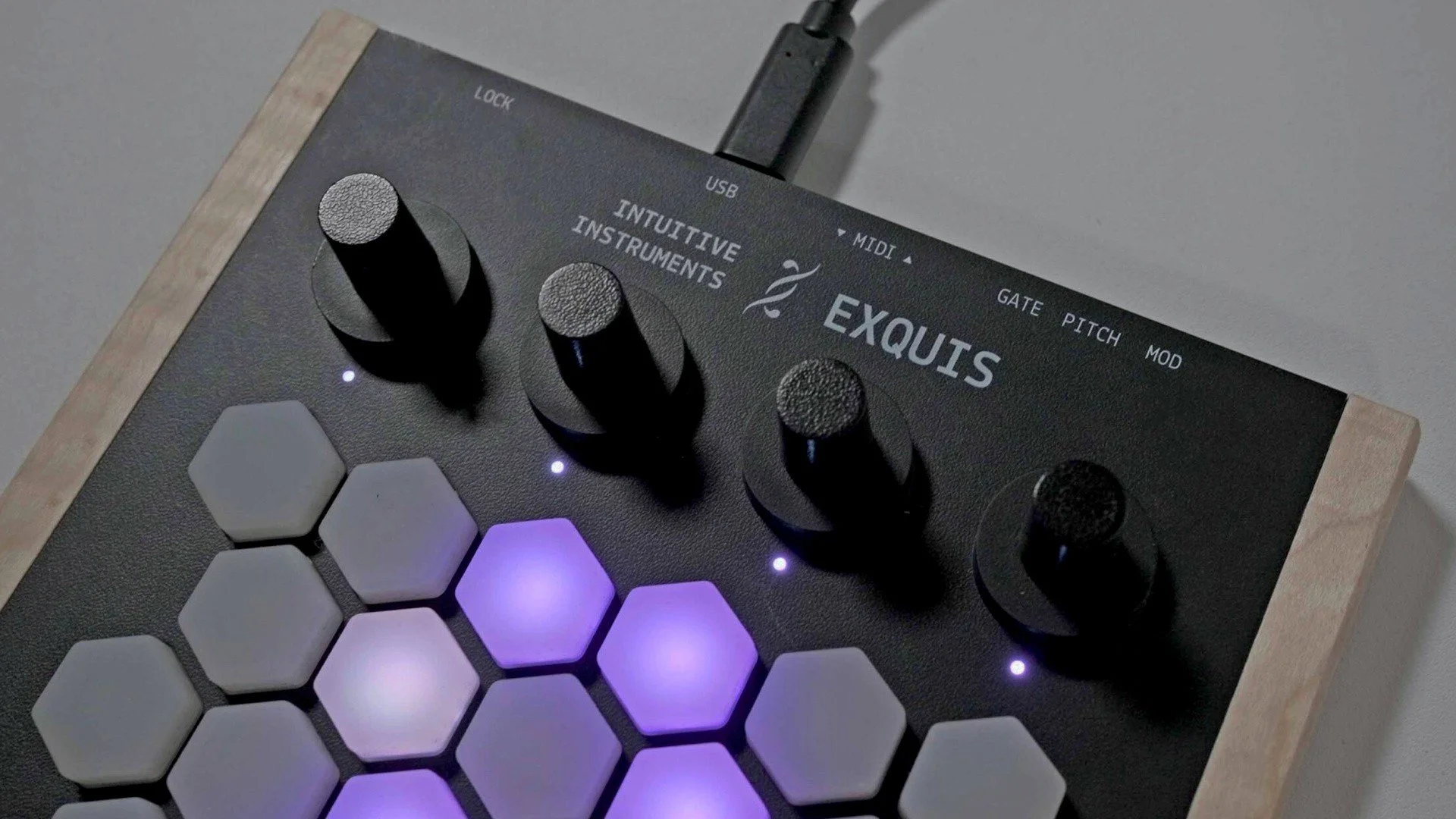
“[Their] study proved extremely valuable in navigating a complex and largely unexplored field.
It brought clarity by identifying distinct customer typologies through their emotional responses and perceptions, then translating these insights into concrete strategic recommendations - covering market entry priorities, target audiences, and key design choices.”
— Bruno Verbrugge, CEO Intuitive Instruments
Designing a New Instrument for Emerging Musical Worlds
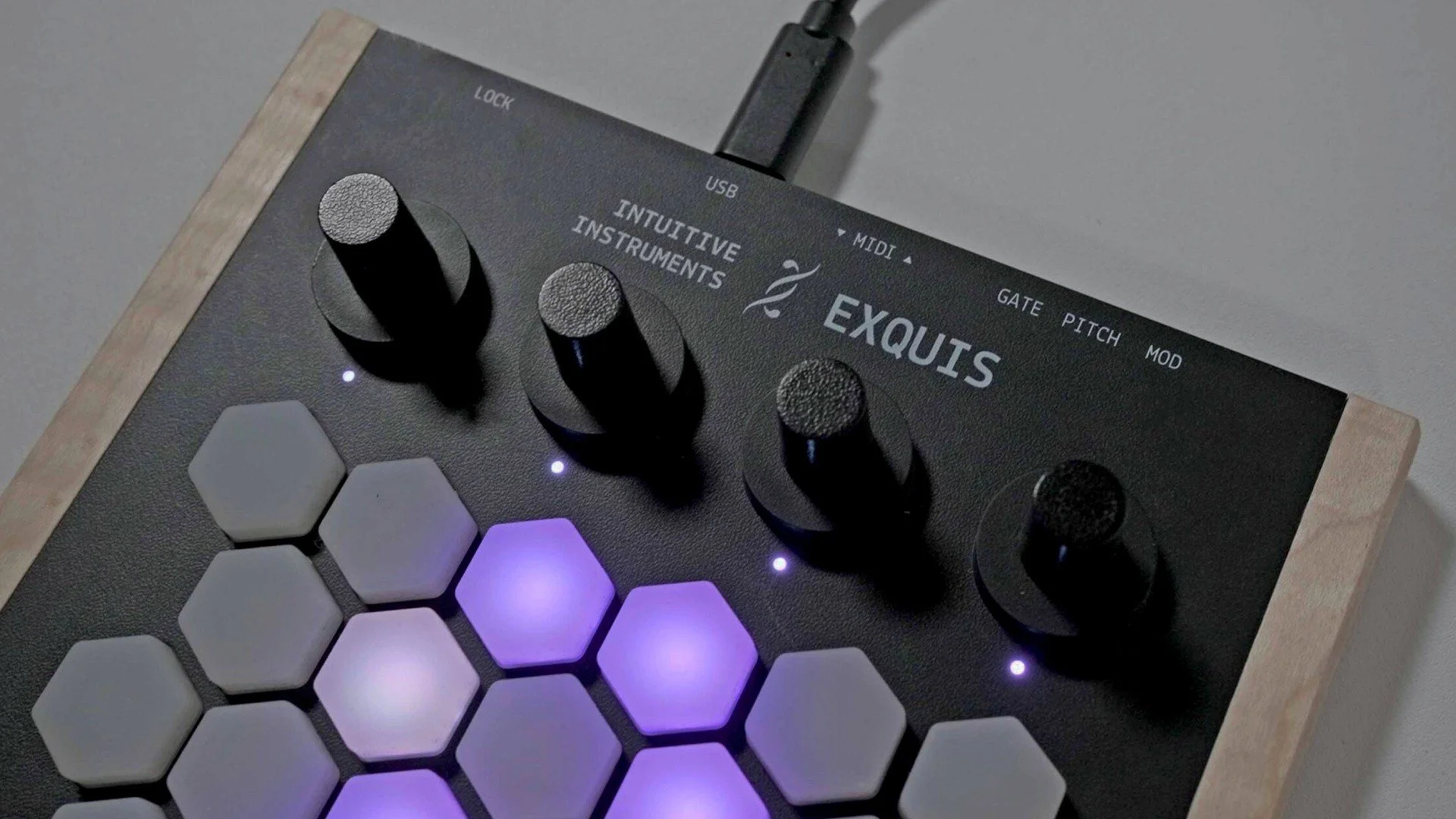
A music technology company partnered with Manifold Gate to understand a strategic opportunity: develop a new musical instrument capable of supporting microtonal music (musical systems that extend beyond the Western 12-note scale).
Microtonality has long been central to traditions such as Arabic and Turkish music. But it is also gaining traction among a new generation of experimental musicians exploring alternative harmonic systems.
The company saw an opportunity to serve both communities while positioning itself as a leader in musical pedagogy and discovery. Yet this raised difficult strategic questions.
Should the instrument primarily serve expert practitioners working within established traditions, or should it help new musicians discover microtonality for the first time? Should it behave as a precision tool for advanced performers, or as an exploratory interface that invites creative experimentation?
Answering these questions required looking beyond technical specifications to understand how musicians actually relate to instruments.
Research revealed that instruments play fundamentally different roles in musical life. Some function as disciplined tools embedded in tradition, requiring years of mastery. Others act as learning scaffolds, helping musicians navigate unfamiliar tonal systems. Still others serve as open exploratory platforms, enabling entirely new forms of musical experimentation.
These distinctions clarified several strategic directions for the client’s new product.
Rather than prescribing a single product concept, the work helped the client understand how different design choices would shape the product’s audience, meaning, and brand position.
The result was a strategic framework guiding the development of a new instrument capable of bridging established musical traditions, emerging experimental communities, and a new generation of musicians discovering microtonality for the first time.
This type of challenge appears whenever organizations are:
• entering emerging cultural or technological spaces
• designing for diverse or underserved audiences
• expanding into new product categories
• aligning product design with brand meaning
In these moments, success depends not only on what a product does—but on how people understand and adopt it.

Selected work:
from previous leadership and consulting roles across global corporations and research consultancies.
-
Challenge
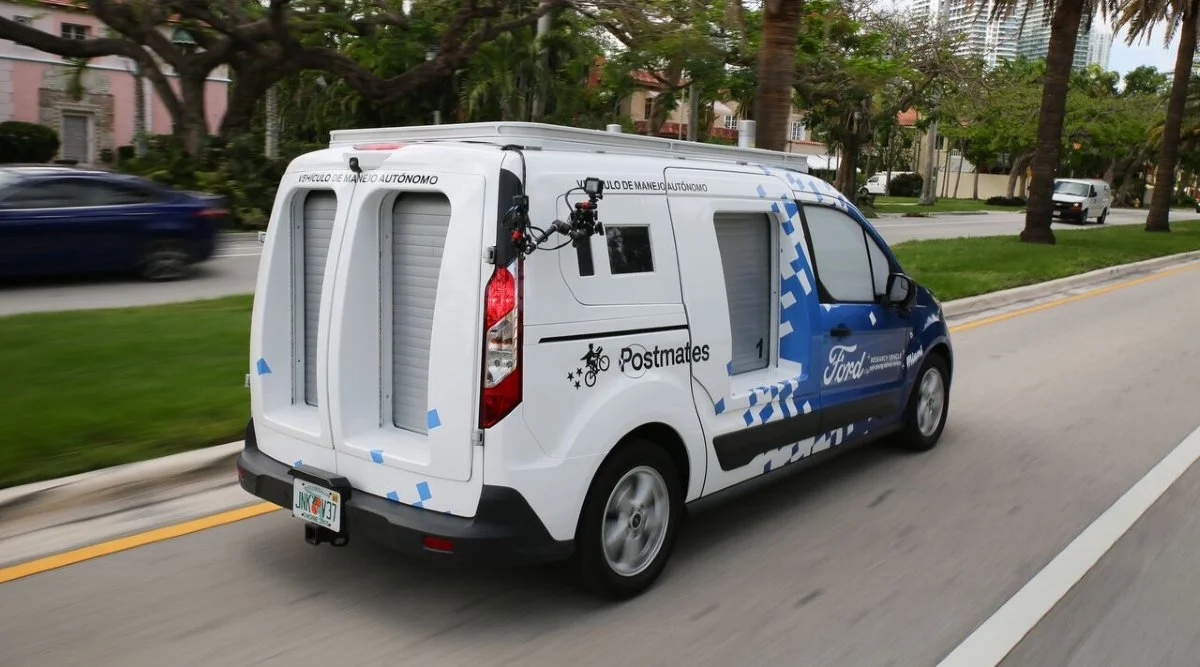
A major automotive manufacturer was developing autonomous mobility services but lacked precedent for how people would actually interact with driverless systems. The company needed real-world insights to inform service design, product development, and business models.Approach
We conducted ethnographic research and contextual inquiry into urban mobility patterns and service expectations. A multidisciplinary team developed rapid prototypes and tested real-world service concepts through pilot deployments with commercial partners.Outcome
The work produced service blueprints, experience principles, and operational guidelines that directly informed engineering and design decisions. Pilot programs generated actionable insight into how autonomous services should function in real environments. -
Challenge
A global media and technology company was exploring how artificial intelligence could transform audiobook and audio content experiences across diverse markets. The team needed to identify where AI could meaningfully enhance listening experiences while avoiding features that would undermine trust, immersion, or creative intent.Approach
We conducted cultural and semiotic analysis of emerging AI experiences, combining this with large-scale analysis of organic online discourse across multiple languages and regions. This work mapped listener expectations, fears, and aspirations around AI-assisted storytelling and interactive content.Outcome
The project produced a strategic playbook for AI integration outlining opportunity spaces, audience segments, and design guardrails. Product teams gained clear guidance on where AI could expand learning, creativity, and engagement while preserving the emotional experience of storytelling. -
Challenge
A global life-sciences company faced increasing disruption from new entrants and emerging technologies in the eye-care category. The organization needed a long-term innovation roadmap grounded in human needs and future healthcare ecosystems.Approach
We combined macro foresight analysis with cultural research in the United States and Japan, identifying emerging models of care and unmet needs shaping the future of vision health. Ethnographic research explored how people actually experience and negotiate care in evolving health contexts.Outcome
The project produced innovation platforms, opportunity landscapes, and product development pathways guiding R&D planning toward 2035. The work helped align internal teams around a shared understanding of future patient needs and technological possibilities. -
Challenge
A major technology organization believed its research leadership was being overshadowed by louder voices in the industry. Leadership needed a credible way to communicate technological authority while avoiding hype-driven positioning.Approach
We conducted semiotic and narrative analysis of leadership models across technology, business, and broader culture. The research mapped distinct ways organizations signal authority and influence, identifying the risks and trade-offs associated with each positioning strategy.Outcome
The project produced a strategic narrative framework defining how the organization could communicate leadership through distinctive actions, language, and positioning. The resulting strategy informed communications, investment priorities, and external partnerships.



Contact me
Interested in working together? Fill out some info and I will be in touch shortly. We can’t wait to hear from you!